
 Social Image
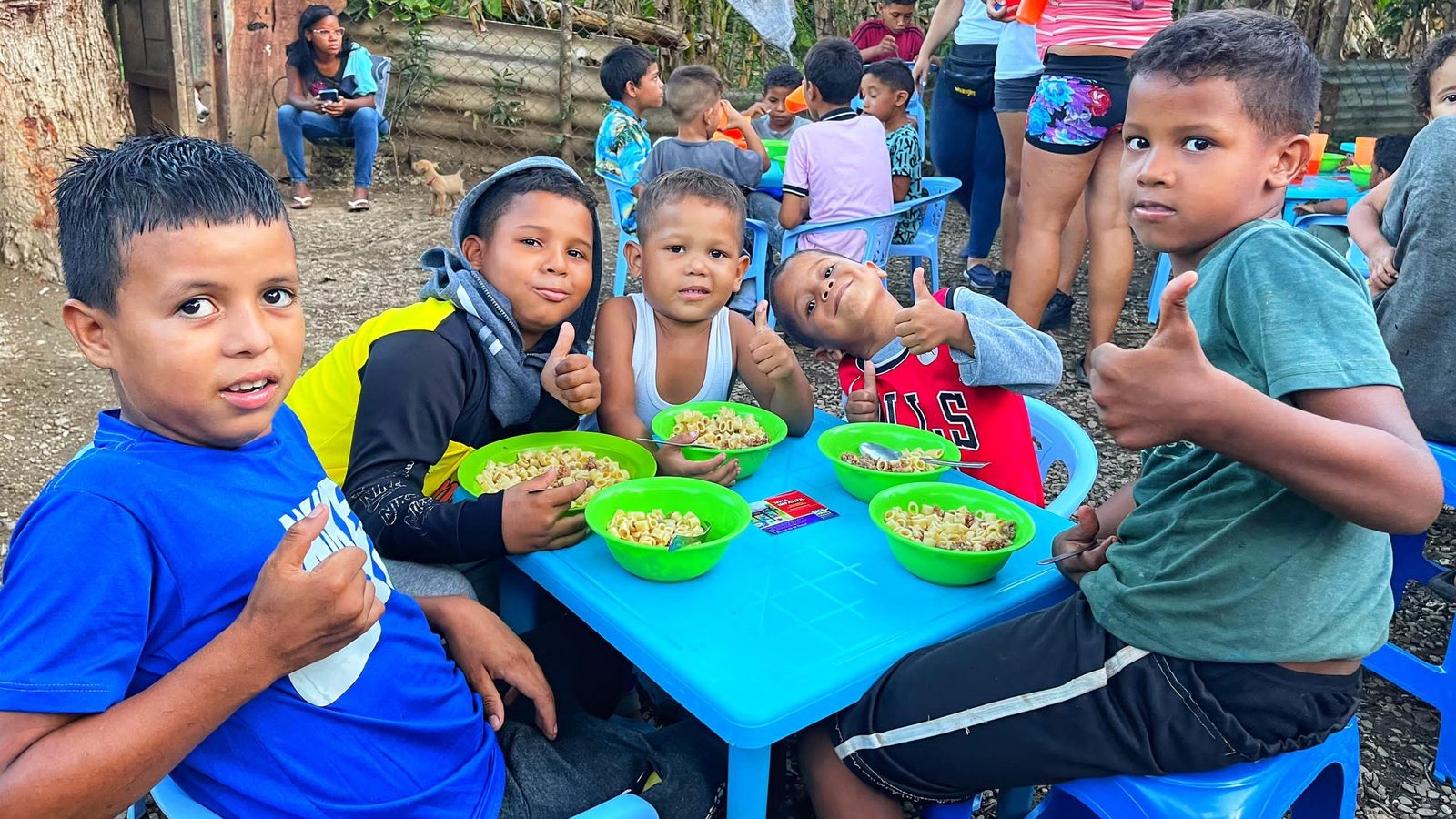
Direct child sponsorship means your monthly gift supports an identified child through a specific organization, and you can see where the money goes. Large US programs ask $39 to $43 a month. The main trade-off against a large international charity is scale versus proximity: big organizations have more infrastructure, smaller ones can tell you the name of the person who handed a child their meal.
At Victoria Venezuela Foundation, sponsorship starts at $25 a month. Your sponsorship connects you with one child, and gifts fund the nutrition, medical care and education programs that reach every child in our care. In fiscal 2025, 95% of funds went directly to programs.
Child sponsorship is a recurring monthly donation connected to a specific child. In most programs the sponsor receives updates, and often letters or photographs, so the relationship is visible rather than abstract.
What it does not mean, and this is the most common misunderstanding: your money does not go to that child as cash. It funds the programs that child is enrolled in. A $25 monthly gift does not become $25 in a family’s hands. It becomes a share of a meal program, a clinic visit, a set of school supplies.
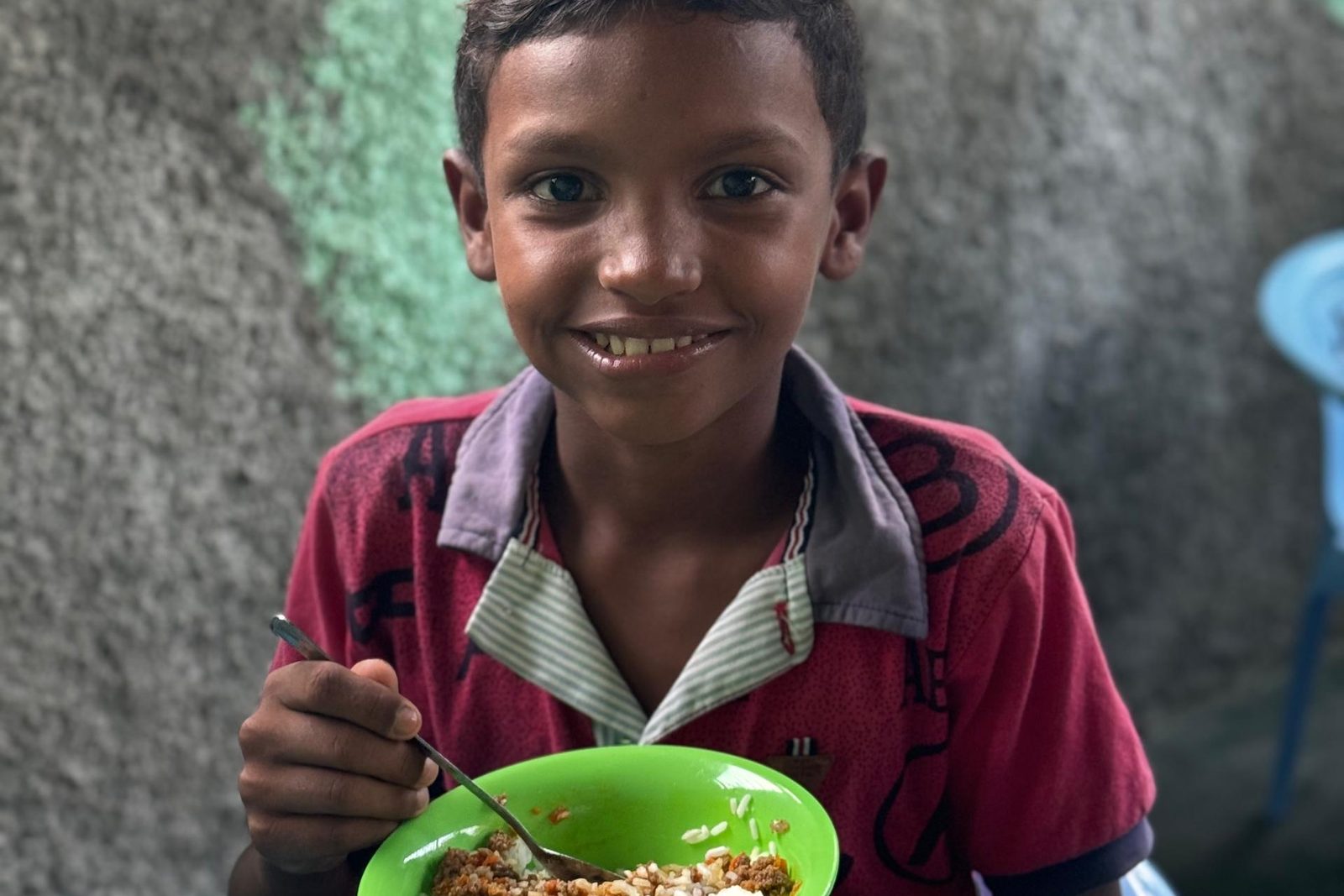
That distinction matters because it is also what makes sponsorship work. Programs serve groups. A child benefits because the program around them exists, and pooled gifts keep support steady for every child even when a sponsor steps away.
Three reasons come up repeatedly.
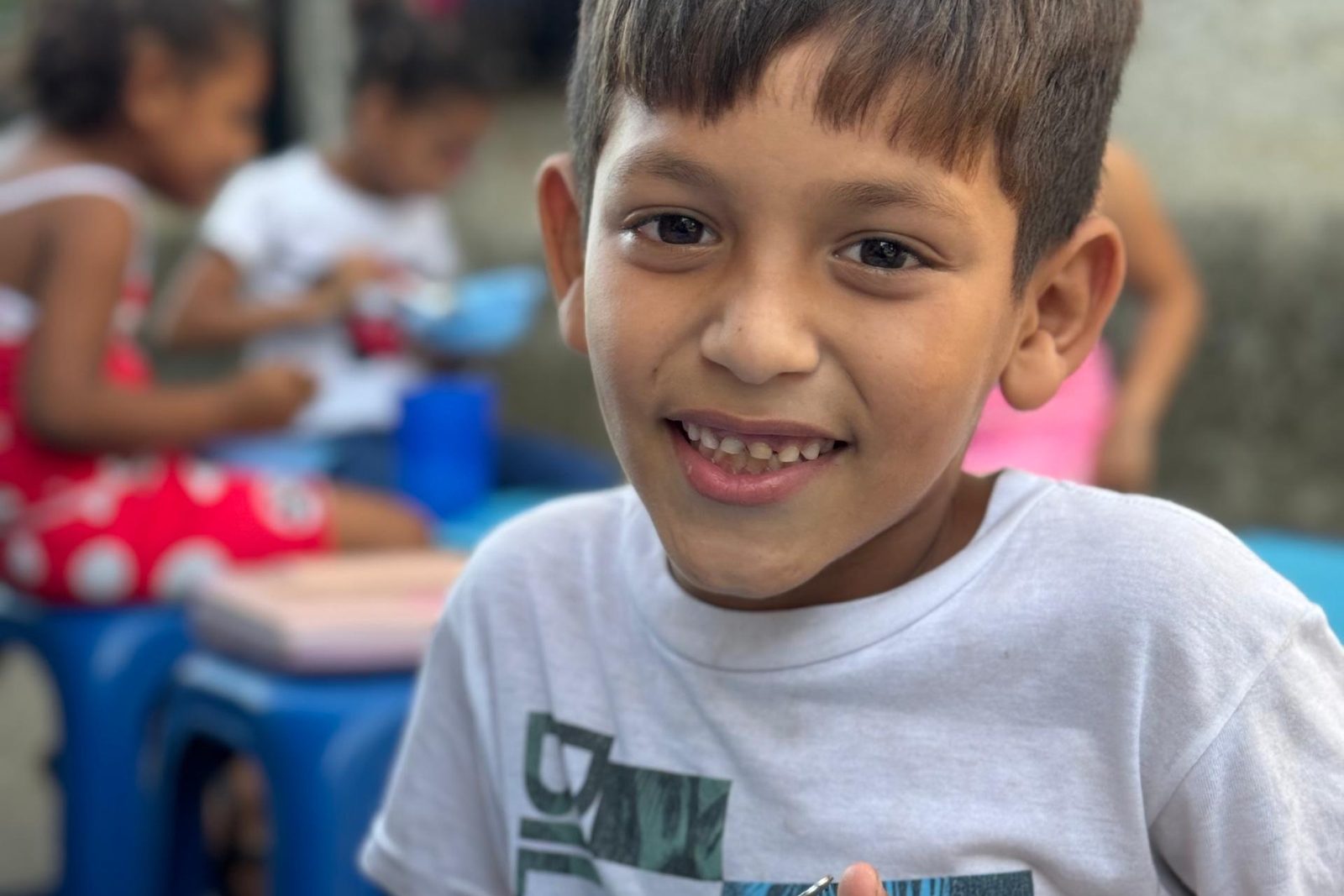
None of those are arguments that large charities are bad. They are large because they are effective at scale, and scale saves lives. They are arguments about what a particular donor is looking for.
| Small, direct organization | Large international charity | |
|---|---|---|
| Typical monthly cost | Varies (ours starts at $25) | $39 to $43 |
| Countries served | Usually one | Often 20 or more |
| Communication with the child | Often direct and informal | Structured, usually mediated |
| Financial reporting | Varies; ask for it | Audited and published annually |
| Third-party rating available | Sometimes | Almost always |
| Ability to visit | Sometimes possible | Rare, and usually a formal trip |
Large-charity costs are the published monthly rates of World Vision, Plan International USA, Children International and Compassion International, as of September 2026. Check each organization’s current rate.
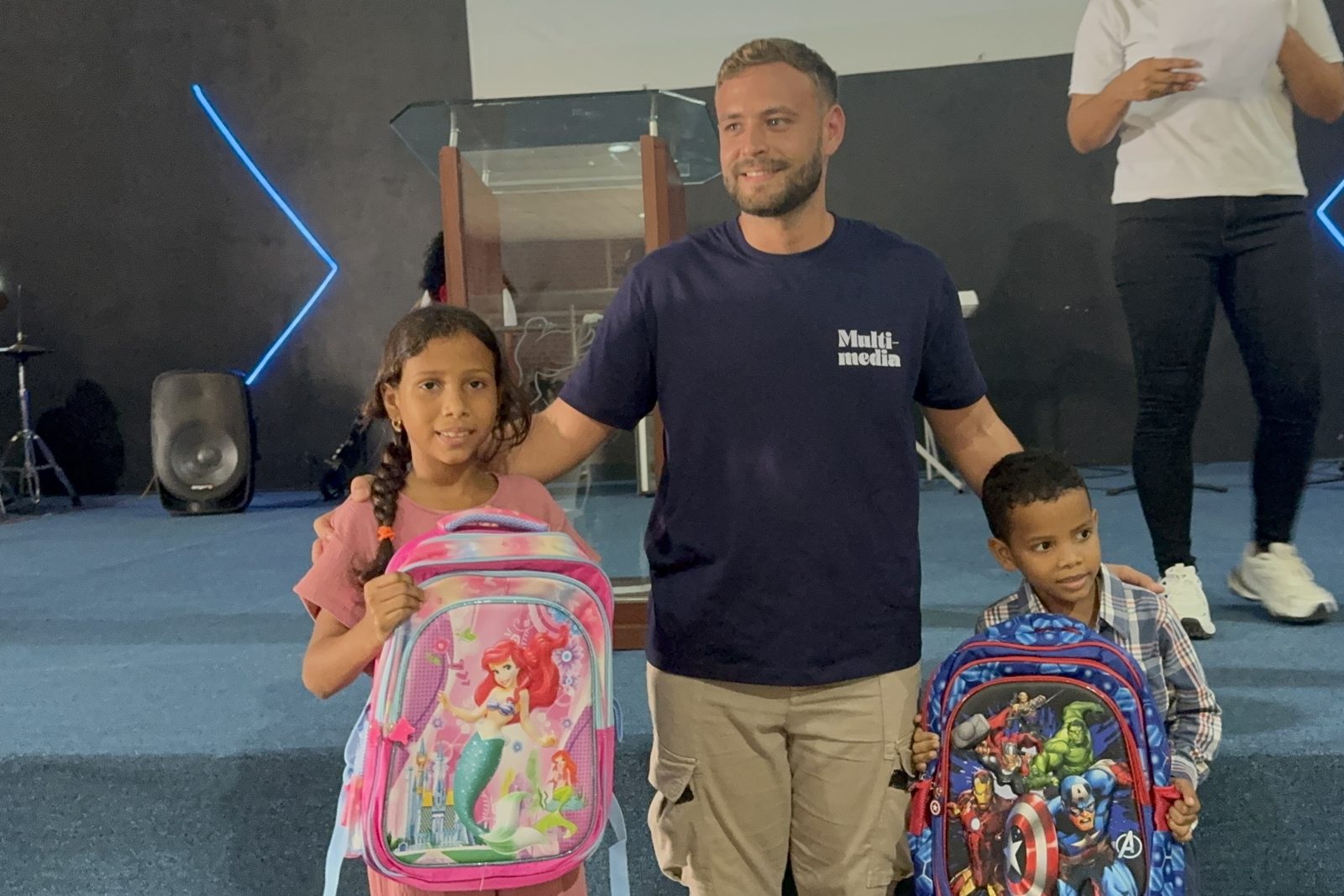
The question that tells you the most is the simplest one: what does my $25 buy this month? An organization that can answer it precisely is one that knows what it is doing.
You do not have to take anyone’s word for it. Four free sources:
An organization that has not been rated is not necessarily a bad one. Ratings often require a revenue threshold. But an organization that will not show you its 990 is a different matter.
About Victoria Venezuela FoundationWe are a 501(c)(3) nonprofit based in Weston, Florida. Our EIN is 88-3282100. We hold a Candid Platinum Transparency seal, and in fiscal 2025, 95% of funds went directly to programs. Our annual reports are published on this site under Resources › Financials.
Large US programs ask $39 to $43 a month. At Victoria Venezuela Foundation, sponsorship starts at $25 a month.
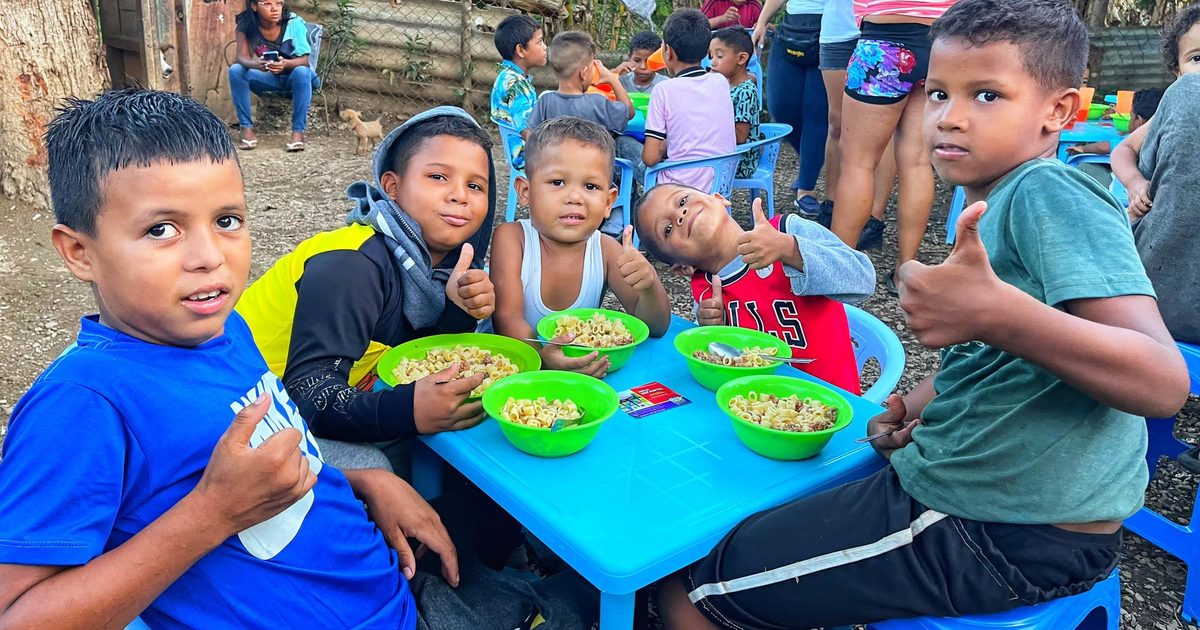
Your gifts fund three programs: a weekly nutrition program, medical attention twice a year, and an annual education program. In 2025 they served 77,300 meals, gave 1,012 children medical attention and supported 99 children in school. The money funds the programs the child is enrolled in rather than going to the family as cash.
In the United States, yes, if the organization is a registered 501(c)(3). Victoria Venezuela Foundation is, under EIN 88-3282100. Keep your receipts.
Nothing happens to the child immediately. Well-run programs do not withdraw services when a sponsor leaves; gifts are pooled precisely so support stays steady while a new sponsor is found. Tell the organization rather than cancelling silently, so they can plan.
Yes. You can exchange letters with the child you sponsor and learn more about their life. You also see them grow through photos of our activities, and you can join our regular prayers for them.
Yes. Browse the children waiting for a sponsor and choose.
Scale versus proximity. Large organizations have more infrastructure, more countries and audited reporting. Small ones can usually tell you more about the specific child and the specific place. Neither is automatically better.
Sponsor a child in Venezuela. Starting at $25 a month.
Sponsor a child


